

Music Therapy
Music Therapy at the Center for Trauma Recovery is a trauma-informed, group-based therapeutic approach that supports healing through sound, rhythm, and connection. Trauma lives not only in memories, but also in the body and nervous system, and music therapy offers a gentle, research-supported way to reconnect with yourself and rebuild a sense of safety.
This work is not about musical talent or performance. It is about using sound and rhythm to help the nervous system regulate, support emotional expression, and create a felt sense of grounding and control. Sessions are paced with care, allowing women to engage in ways that feel safe and supportive.
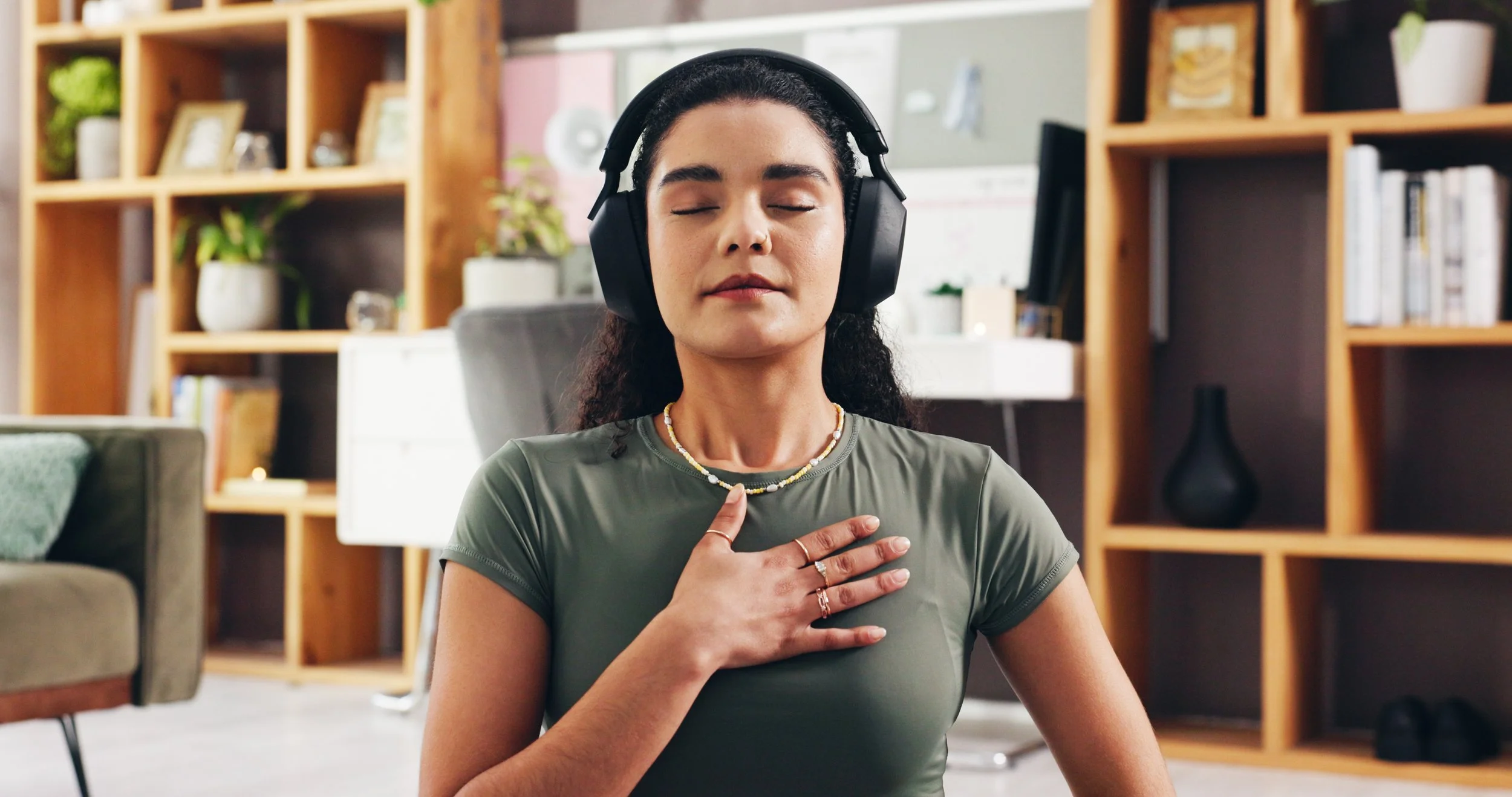
What Music Therapy Can Offer:
Music Therapy uses evidence-based, music-centered experiences to help regulate the nervous system, access emotions that may be difficult to put into words, and support healing through attuned, shared musical experiences that prioritize safety and connection.
Music Therapy is a therapeutic approach facilitated by a credentialed music therapist using evidence-based, music-centered experiences such as rhythm, listening, vocal work, improvisation, and guided imagery to support emotional healing and nervous system regulation.
FAQ
-
Yes. Music Therapy at C4TR is offered in a group format, allowing participants to experience connection, shared regulation, and support through collective musical experiences.
-
No. Music therapy is not about skill or ability. You do not need to know how to sing, play an instrument, or read music. Participation is based on comfort and choice.
-
Music reaches parts of the brain that talk therapy alone may not access. It can help regulate fight, flight, or freeze responses, support emotional expression with or without words, and gently access nonverbal memory pathways involved in trauma.
-
Sessions are tailored to the needs of the group and may include slow, predictable rhythms, improvised music, songwriting, vocal toning, breath-based soundwork, guided music and imagery, or curated playlists to support coping between sessions.
-
No. Sharing is always optional. Women are encouraged to participate at their own pace, and nothing is forced.
-
Music therapy is designed with safety first. While emotions may arise, sessions are facilitated by trained professionals who prioritize grounding, regulation, and emotional safety at all times.
-
Music therapy can be helpful for women processing trauma, navigating chronic stress, experiencing emotional numbness, or beginning to reconnect with their emotions and sense of self.

Getting Started on Trauma Recovery
If you call us, we move quickly. In many cases, women are able to begin care within just a few days.