

Art Therapy
Art Therapy at the Center for Trauma Recovery is a trauma-informed, group-based mental health treatment that uses the creative process of making art to support emotional expression, stress reduction, and trauma recovery. Trauma can make it difficult to put experiences and feelings into words, and art therapy offers a nonverbal pathway for exploration and healing.
This approach is not about artistic skill or producing a finished product. It focuses on the process of creation as a way to increase self-awareness, process emotional experiences, and support psychological wellbeing in a safe and supportive environment.
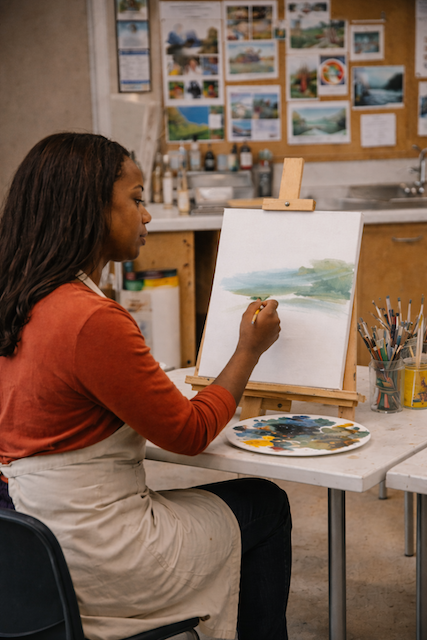
What Art Therapy Can Offer:
Art Therapy uses guided creative expression to help individuals explore emotions, reduce stress, and work through trauma, anxiety, depression, and other mental health challenges while building insight, coping skills, and emotional resilience.
Art therapy is a form of mental health treatment that uses the creative process of making art to help individuals explore emotions, improve self-awareness, and work through psychological challenges with the guidance of a licensed art therapist.
FAQ
-
Yes. Art Therapy at C4TR is offered in a group format, allowing participants to engage in creative expression while benefiting from shared support and connection.
-
No. Art therapy does not require artistic talent or experience. The focus is on the creative process, not the final product.
-
Participants may create art using materials such as drawing, painting, sculpture, or collage. The therapist supports the process and may guide reflection or discussion around emotions, thoughts, and experiences.
-
Art therapy helps trauma survivors express and process emotions that may be difficult to verbalize, supports emotional regulation, reduces stress and anxiety, and encourages personal insight and healing.
-
Art therapy can support children, teens, and adults experiencing emotional or psychological difficulties, including trauma survivors, individuals with PTSD, anxiety, depression, or those seeking greater self-awareness.
-
No. Sharing is always optional. Participants are encouraged to engage at their own pace, and discussion is guided with care and consent.
-
Art therapy is designed to be safe and supportive. While emotions may arise, sessions are facilitated by trained professionals who prioritize emotional safety and grounding.

Getting Started on Trauma Recovery
If you call us, we move quickly. In many cases, women are able to begin care within just a few days.